


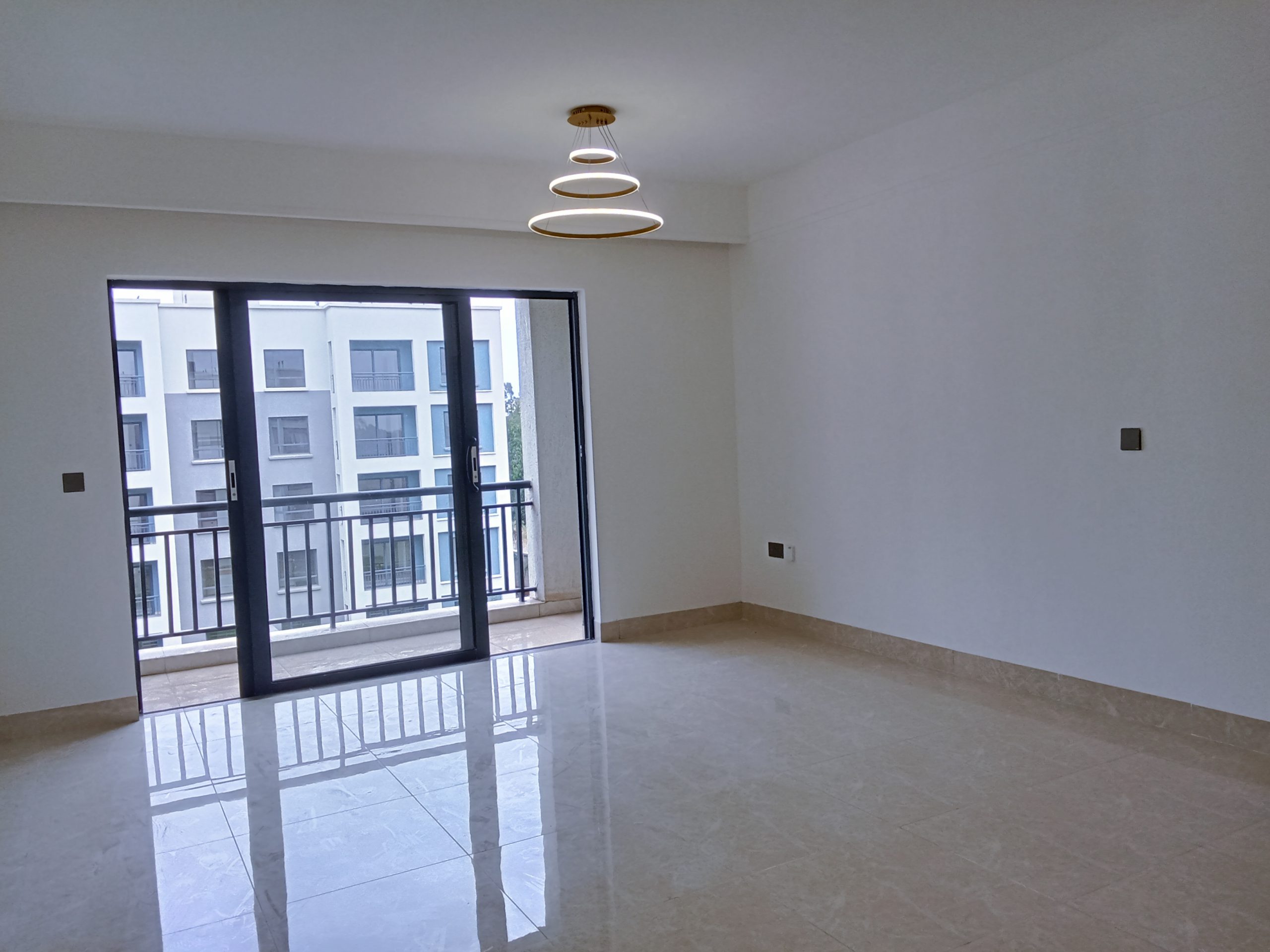
Renting in Nairobi is easy to rush and expensive to get wrong. Prices, estates and landlords vary a lot, and a deposit paid to the wrong person is hard to get back. This guide walks you through the steps in order, from choosing an area to signing the agreement.
1. Fix your budget and area first
A common rule of thumb is to keep rent to about a third of your take-home pay. Add transport: a cheaper apartment far from work can cost more once you count fares and time in traffic. Pick two or three areas, then check the commute at the hour you will actually travel.
2. See the exact unit before you pay anything
Photos and videos are easy to copy. Always view the apartment you will be renting, not a similar one in the same block. Never send a deposit, or a “booking fee”, to anyone you have not met at the property.
3. What to check at the viewing
- Water: open the taps and flush the toilet. Ask how water is supplied (mains, borehole or tank) and which days it runs.
- Power: ask whether the meter is prepaid (token) or postpaid, and whether there is backup power when the grid goes off.
- Security: look at the gate, the guard and the lighting. If you can, come back after dark.
- Damp and leaks: check ceilings, bathroom corners and the wall behind the kitchen sink.
- Doors, windows and locks: they should close and lock properly. Test the cupboards and any fitted items.
- Noise and signal: stand in the bedroom and listen. Check your phone signal and ask which internet providers serve the building.
- Parking and access: ask about parking, visitor rules, and what the road is like in the rainy season.
4. Know what you will pay up front
Most landlords ask for the first month’s rent plus a refundable security deposit before you move in. Ask for the full list in writing, so nothing surprises you on moving day:
- first month’s rent
- security deposit and how it is refunded
- service charge, and what it covers (security, garbage, water, common areas)
- utility connections or meter deposits
- any agent or legal fee, who charges it, and why
5. Get a written tenancy agreement
A signed agreement protects you and the landlord. Read it before you sign, and keep a copy. Check that it states:
- the names of the landlord and tenant, and the exact unit
- the rent, the due date and how to pay it
- the deposit amount and when and how it is refunded
- the notice each side must give before ending the tenancy
- how and when rent can be increased
- who pays for repairs and for what
If anything is unclear, ask for it to be explained or changed before signing. You are free to ask a lawyer to review it.
6. Notice, rent increases and your deposit
In general, a landlord should give you written notice before raising the rent, and cannot simply lock you out or remove your belongings. Ending a tenancy follows the notice terms in your agreement. Take dated photos of the apartment when you move in, so there is a record of its condition when you leave. This is general information, not legal advice. If there is a dispute, get advice before you act.
7. Red flags
Pause and ask more questions if you see any of these:
- a price far below similar apartments nearby
- pressure to pay before you have seen the unit or met the landlord
- no written agreement, or “we will sort the paperwork later”
- someone telling you that you do not need to read or check the agreement
- a deposit much higher than is usual for that area
Renting with Amali Properties
We visit every property before we list it, so the apartment you see on our site is one our team has seen. Browse our current apartments to rent, or call or WhatsApp us on 0745 321 611 to book a viewing.